
Daily Cash Position Monitoring: A Practical Framework
Step-by-step approach to tracking your daily cash movements. We’ll show you what to monitor and why it matters.
Simple changes to your payment terms and timing that free up cash without straining supplier relationships. Results often show in the first month.
Cash flow isn’t about being profitable — it’s about having cash when you need it. You can be making money and still run out of cash. That’s where payment cycles come in. They’re one of the biggest levers you have to improve liquidity without changing your business model.
The gap between when you pay suppliers and when customers pay you is where cash gets stuck. We’re talking about negotiating better payment terms, timing your cash outflows smarter, and structuring agreements that work for both sides. It’s not about being aggressive — it’s about being strategic.

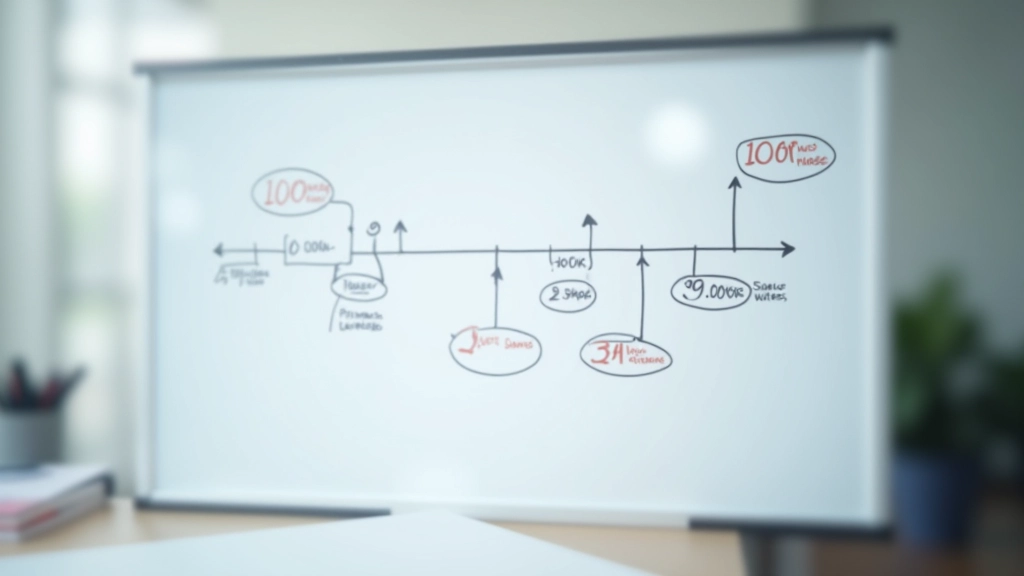
Your payment cycle has three main parts. First, you receive goods or services. Then there’s a waiting period — maybe 30, 60, or 90 days — before you actually have to pay. Finally, you settle the invoice. Meanwhile, your customers might be taking their own time to pay you.
The math is straightforward. If you’re paying suppliers in 30 days but customers pay you in 60 days, you’ve got a 30-day cash gap. You’re funding your business operations out of your own pocket during that time. Extend your payables to 60 days and match your receivables, and suddenly you’re not funding that gap anymore.
Key insight: The longer you can hold onto cash before paying, and the faster you collect from customers, the better your cash position. It’s not about avoiding payments — it’s about timing.

Most businesses accept whatever payment terms their suppliers offer without pushing back. That’s a missed opportunity. You’re not asking for free products — you’re asking for reasonable time to pay. Most suppliers will negotiate if you approach it professionally.
Start with your biggest suppliers first. They’re the ones where extended terms matter most. If you’re spending 200,000 HKD per month with a supplier, moving from 30-day to 60-day terms frees up 200,000 HKD immediately. Approach them with facts: you’re a reliable customer, you always pay, and you’d like to formalize extended terms that benefit both sides.
While you’re extending payables, you should be tightening receivables. This is where most businesses lose cash without realizing it. They invoice customers, wait passively for payment, and wonder why cash is tight. Getting serious about collection changes everything.
Here’s what works: clear invoicing with specific due dates, automatic payment reminders 5 days before due date, and a follow-up process if payment is late. You’re not being aggressive — you’re being professional. Customers expect it. If someone’s going to pay you in 45 days anyway, they don’t mind being reminded on day 40.
Invoice immediately upon delivery. State “Payment due within 30 days” clearly on every invoice. No ambiguity.
Send payment reminders automatically at day 5, day 20, and day 28. Most accounting software does this.
After day 30, call or email directly. A brief conversation often gets the check moving immediately.

This article provides educational information about cash flow management and payment cycle optimization. It’s not specific financial or business advice for your situation. Every business is different — supplier relationships, industry standards, and cash position vary significantly. Always consider your own circumstances and consult with a financial advisor or accountant before making changes to your payment terms or strategy. The examples and timeframes mentioned are illustrative and may not apply to your business.
You don’t need to overhaul your entire operation to improve cash flow. Extending payables from 30 to 45 days and reducing receivables from 60 to 45 days might free up 100,000+ HKD within 30 days. That’s money you can use to invest in growth, handle unexpected costs, or reduce debt.
The companies that do this well don’t do anything radical. They just treat payment cycles like the strategic tool they are. They negotiate professionally with suppliers, they collect from customers promptly, and they monitor the gap between what they owe and what they’re owed. That’s it.
Start this month. Pick your three largest suppliers and draft a request for extended terms. Set up payment reminders for customer invoices if you haven’t already. Track your actual payment cycles for 30 days. You’ll see the impact immediately.
Explore our other guides on monitoring daily cash positions and forecasting inflows and outflows.
Browse All Guides